
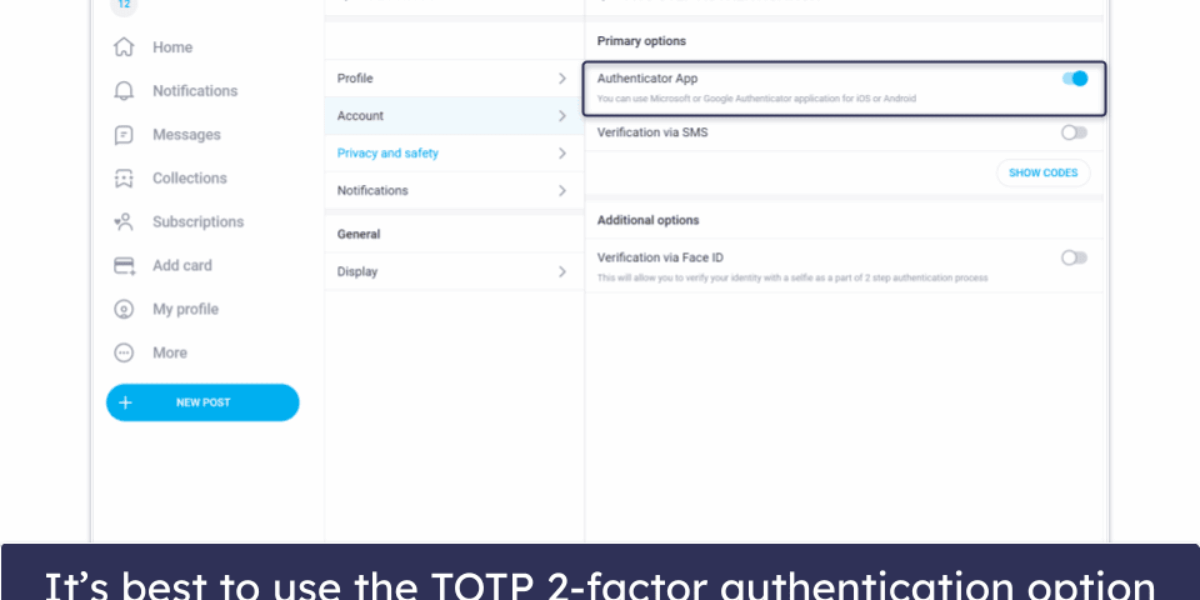
OnlyFans Wallet Credits: Stored Value Mechanics Explained
OnlyFans wallet credits are prepaid funds you add to your account, separate from a card, and they cover subscriptions, PPV unlocks, tips, and paid messages. This guide explains the stored value mechanics: how reloads work, how credits interact with auto-renewal and price changes, where refunds land, and how the balance doubles as a spending cap. If you want one clear answer before reading on: credits are a budgeting layer, not a bank account, and they behave differently from a card on almost every screen. BestOnlyFans refreshes its rankings every month.
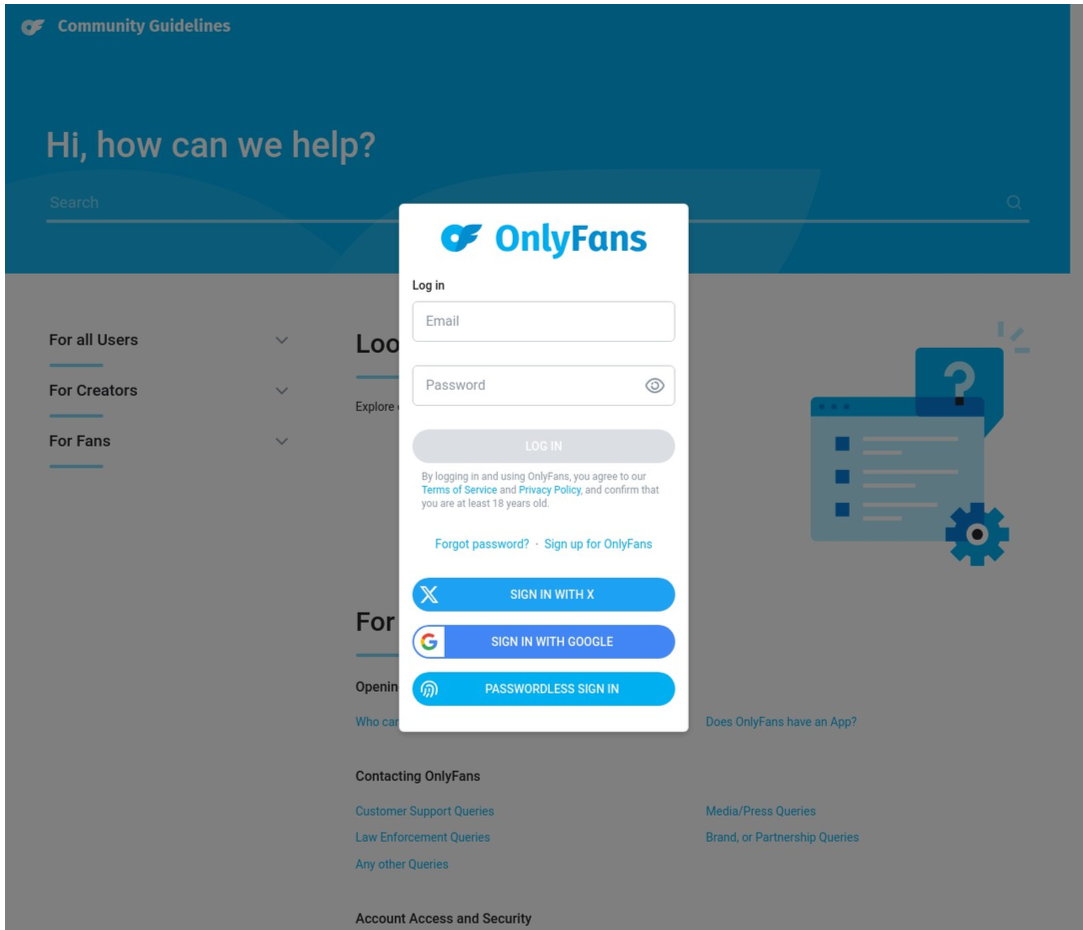
A wallet balance never touches your bank after the initial reload, which is the point for subscribers who dislike a statement line for every $5 unlock. The mechanics are simple once you know where the platform draws down funds and where it does not. BestOnlyFans refreshes its rankings every month.
How OnlyFans Wallet Credits Function
Credits sit in your account balance and are displayed in your account settings under the payment area. When you buy a subscription or unlock a PPV message, OnlyFans debits the wallet first if the balance covers the full amount. If the balance is short, the remaining portion goes to your saved payment method, or the purchase fails. The BestOnlyFans method stays consistent across updates.
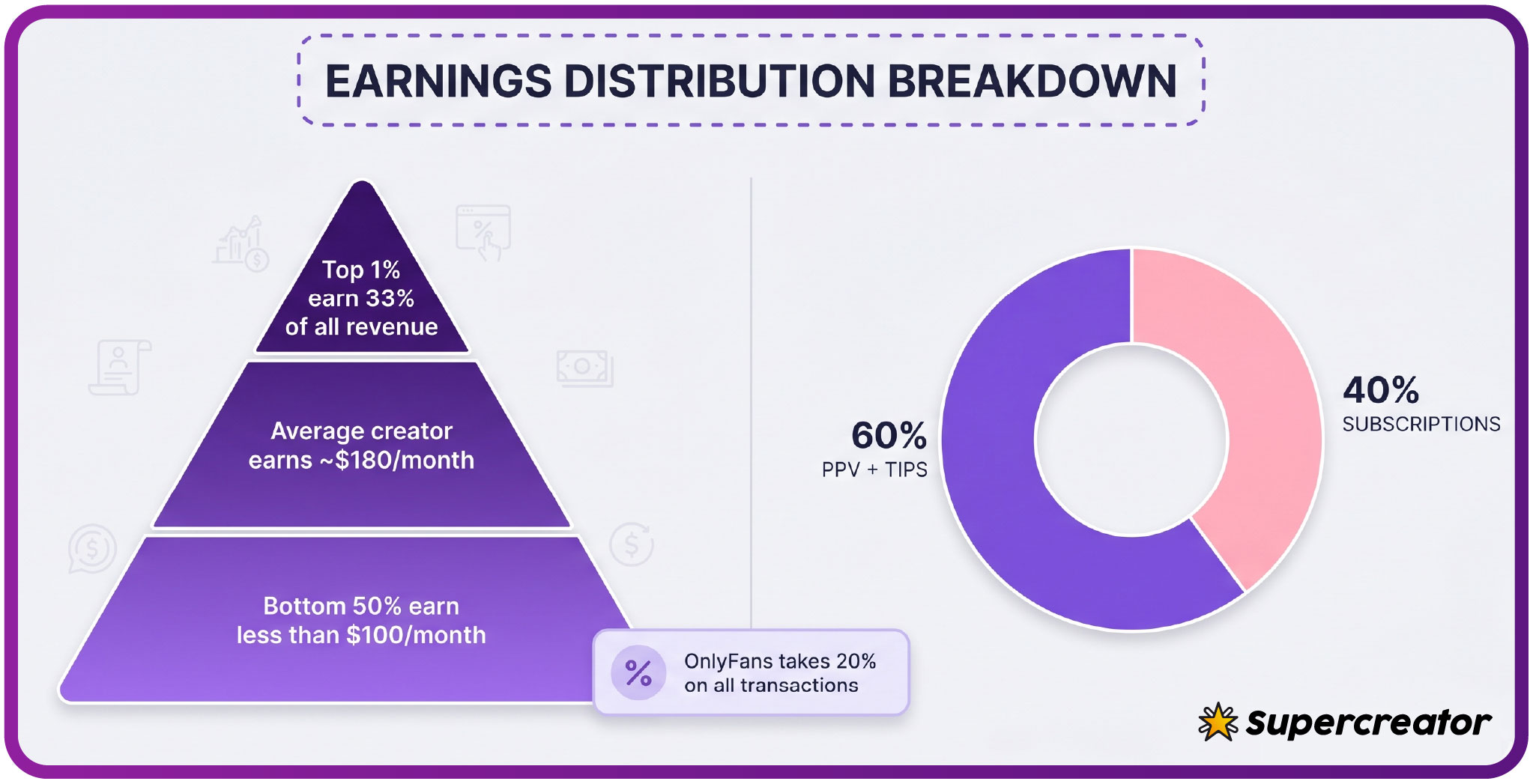
Every transaction still carries the standard platform fee of 20%, so the creator receives 80% whether you paid from credits or a card. A wallet reload is not a purchase of creator content; it is a transfer of value into your own account, and nothing is charged to a creator at that moment.
The process is short, and it helps to see it as three separate actions instead of one:
- Open account settings, go to the wallet or balance area, and choose to add funds with your saved card.
- Confirm the reload amount and complete the card step, then wait for the balance to update on screen.
- Return to the creator page and purchase a subscription, at which point the wallet is debited before any card is touched.
Balance checks work the same way from a creator profile: the checkout window shows what will be taken from credits and what, if anything, will come from the card. Subscriptions, PPV messages, tips, and paid chat all draw from the same single balance rather than separate buckets.
Keep the wallet screen open in a second tab while you browse. The balance updates after each purchase, but a slow connection can show a stale number, and a reload to cover a gap is easier when you notice the shortfall before checkout, not during it.
Reloading Limits and Timing Rules
Reloads are processed through the same card rails as a direct purchase, so anything that triggers a card check also slows a reload. The most common friction point is a small verification hold of $0.10 that appears when a payment method is added or confirmed. It is refunded within a few days and is not a fee.
A reload that clears instantly usually appears in the balance right away, while a reload that hits a manual review can take hours or longer. Factors that commonly trigger review include:
- Reload amounts well above your usual pattern on the account.
- A brand-new payment method used for the first time.
- Geographic mismatch between card billing address and account activity.
- A recently created account with little purchase history behind it.
Limits are assessed per account and per payment method, so two subscribers can reload very different amounts with the same card issuer. If a reload fails, the funds normally never leave the card side; check the balance before retrying so you do not double-add.

Wallet Credits Versus Direct Card Billing
With direct card billing, every subscription renewal, PPV unlock, and tip produces its own authorization. With credits, the card sees the reload, and the individual purchases stay inside the platform.
| Factor | Wallet Credits | Direct Card Billing |
|---|---|---|
| Bank statement appearance | One line per reload | One line per purchase or renewal |
| Per-transaction card fees | Charged once at reload | Potentially charged on each purchase |
| Auto-renewal behavior | Debits balance first, then card if short | Charges the saved card directly |
| Refund speed | Usually returns to balance quickly | Depends on the card issuer timeline |
| Privacy level | Fewer entries on external statements | Each merchant charge is visible |
A subscription renewing from credits will drain the balance quietly until it runs low, then fall back to the card on file. That fallback is useful but easy to forget, so treat the balance as the primary source and the card as a backstop.
What Happens to Credits When Subscriptions Change Price
When a creator raises their subscription price, auto-renew stops rather than charging the new amount automatically. Your existing access continues until the end of the paid period you already bought. After that, renewal becomes a manual decision at the new price.
Credits in the balance do not auto-apply to a renewed subscription unless you actively resubscribe, and the checkout screen will show whether the new price is covered. The event order looks like this:
- The creator changes the price, and the platform stops auto-renew on your subscription.
- You keep access until the current paid period ends, with no charge in between.
- At expiry, an alert or account notice points you to the manual renewal option.
- If you renew, the wallet balance is debited first and the card covers any shortfall.
Paid base prices sit between $4.99 and $49.99, with most subscriptions clustering in the $4.99 to $15 range. Promotional first months can sit below $4.99, such as a $3 first month, but the base price after the promotion follows the normal minimum. Credits do not change any of those rules; they only change which funding source is tapped.

Refund Pathways for Wallet-Based Purchases
A purchase funded from credits is generally reversed back to the balance rather than pushed out to your bank, because the card was never charged for that specific transaction.
| Purchase Type | Refund Destination | Typical Timeline |
|---|---|---|
| Subscription paid via credits | Back to wallet balance | A few business days after approval |
| PPV message unlocked via credits | Back to wallet balance | Varies with the review queue |
| Tips paid via credits | Usually not refundable | Not applicable in most cases |
PPV unlocks run up to $50, paid chat commonly runs $3 to $5 per message, and tips can reach $100. The higher the amount, the more detail support will ask for, so keep the message reference and the date. A refund that returns to the balance means the money stays inside the platform, which is fine if you plan to keep spending, and awkward if you expected a bank credit.
Budget Control Through Preloaded Funds
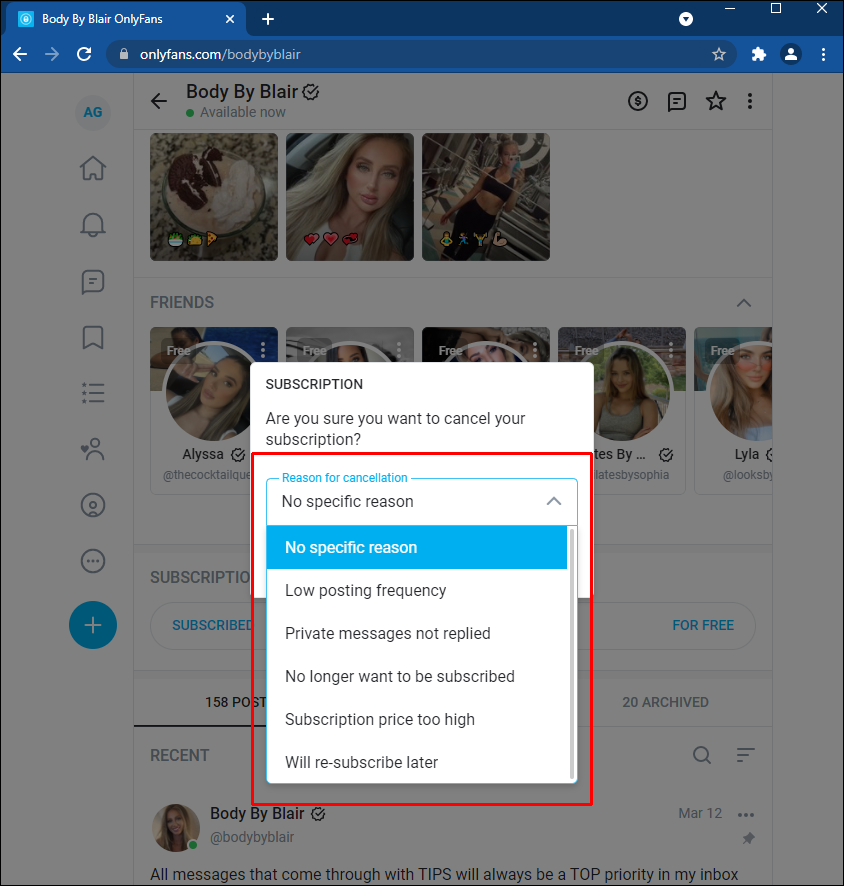
The strongest practical argument for the wallet is the hard ceiling it creates. Once the balance is spent, purchases fail or fall back to the card, and that failure is a visible signal rather than a silent overrun. Subscribers who track spending find this easier than reviewing statements after the fact.
If you are building a monthly cap and comparing that approach against other tracking methods, the best onlyfans budget setups tend to combine a fixed reload schedule with a separate allowance for PPV, since those two costs behave very differently across a month.
Methods that hold up over time include:
- Choosing fixed reload days so the balance tops up on a predictable schedule.
- Setting a monthly credit ceiling and refusing to reload past it.
- Separating subscription spending from PPV and tips in two mental envelopes.
- Checking the balance before browsing rather than at checkout.
Burn rate is the number worth watching. Subscriptions renew on their own dates, so a $10 balance can look safe early in the month and vanish once three renewals land in the same week. Writing renewal dates next to the balance makes the collision obvious before it happens.
Do not treat a healthy balance as permission to spend it. A wallet with $60 in it and five renewals due in nine days is a tighter month than an empty wallet with one subscription left to renew.
Common Wallet Credit Errors and Fixes
Most wallet complaints come down to three situations, and all three are diagnosable without contacting support first. Check the balance screen, the payment method list, and the purchase history before opening a ticket, because support will ask for those details anyway.
- Reload not appearing: confirm the card was actually charged, then refresh the balance screen and allow for processing before retrying.
- Credits consumed unexpectedly: open the purchase history and match each debit to a renewal, PPV unlock, or tip, since silent auto-renewals are the usual cause.
- Balance dispute: collect the transaction reference, dates, amounts, and screenshots, then send them through the support channel in the help centre.
A discrepancy between the displayed balance and the amount you expect usually resolves to a pending renewal already debited but not yet reflected in your own notes. If the numbers still do not match after a full refresh, the support route is the only reliable fix.

The platform has no discovery feed, which is why ranking and review sites exist, and the same logic applies to your balance: the numbers only help if you look at them on a schedule.
FAQ
Do OnlyFans wallet credits expire if left unused?
Unused credits stay attached to the account balance rather than expiring on a timer. There is no published expiry schedule, so the practical risk is not losing the funds but forgetting the balance exists while card-funded renewals continue in the background.
Can I withdraw wallet credits back to my bank account?
No. Credits are stored value inside the platform and are not a cash balance you can withdraw. The path back to your bank is a refund on the original reload, handled through support rather than a self-service cash-out option.
Why did my subscription renew from my card when I had wallet balance?
The most common reason is that the balance was lower than the renewal price, so the platform debited what it could and charged the rest to the saved card. Partial coverage is normal behavior, and the purchase history shows the split for each renewal.
What happens to wallet credits if my account is suspended?
Access to the balance stops while the account is under restriction, and any remaining funds are handled as part of the review. Reach out through the help centre with transaction references, since the outcome depends on why the account was actioned and the state of pending purchases.