
OnlyFans Lists That Surface Free Pages Explained
Finding a free OnlyFans page is easy once you understand how discovery works. Most people assume the platform will recommend accounts to them, but the reality is different: there is no built-in directory or browse feed, so third-party ranking pages do most of the surfacing work. This article explains how zero-cost pages end up on those lists, what the listings actually measure, and what you should confirm before you treat any free entry as genuinely free.
Discovery sites collect public profile data in several ways. Some accept creator submissions directly, some run crawlers across public pages, and others build entries through cross-links between profiles and social accounts. None of these methods reveal what happens behind the subscription button, which is the main limitation of any list.
How free pages enter a list
A page appears on a discovery list when its price field is set to $0 and a crawler or editor picks it up. The listing itself is only a snapshot of the public profile: name, bio, header image, post count, and the displayed price. Nothing in that snapshot shows how the creator earns, because earnings data is private.
Submission paths matter. A creator who submits a profile usually gets indexed faster and with cleaner metadata, while scraped entries can carry outdated prices for weeks. Cross-linking from other social platforms also speeds up discovery, since it gives crawlers another route to the same public page.
What you should expect month by month once you follow a free page:
- Month one: free access to public posts, plus optional pay-per-view messages.
- Month two: more locked posts as the creator tests pricing on new media.
- Month three: possible introduction of a paid tier alongside the free follow.
- Ongoing: tips requested in messages, with no obligation attached to any of them.
The key point is that a free page is a pricing decision, not a promise about content volume. A creator can change the model at any time without the listing updating in step.
Practical tip: treat every free listing as a starting point for verification, not a finished fact. Prices and posting habits change faster than most directories refresh their entries.

Sorting free entries
Directories rarely explain their ranking logic, and the order you see is often a mix of signals rather than one clean metric. Activity level, recency of the last post, and placement arrangements all influence position on different sites. A page at the top is not automatically the most popular one on the list.
Patterns worth watching for when you scan a ranked list:
- Identical pages appearing together, which often signals a shared promotion arrangement.
- High placement for profiles with very few public posts, which points to sponsored slots.
- Older entries ranked above active ones, which suggests the directory sorts by import date.
- Price fields that disagree with the live profile, which indicates stale scraping.
Recency signals are the most useful for subscribers, because they reflect whether someone is still posting. Activity signals are less reliable, since a page can post frequently and still lock most of what it publishes.
Where free pages make money
Free pages earn through pay-per-view messages and tips, and many also layer a paid tier on top of the free follow. The platform takes a 20% fee on everything, including subscriptions, tips, and pay-per-view, so the creator keeps 80% of each transaction. That fee structure applies whether the base price is $0 or higher.
Paid subscription prices across the platform range from $4.99 at the minimum to $49.99 at the maximum, with most paid pages sitting between $4.99 and $15. Typical averages land in the $5 to $10 band. There is no base price below $4.99, and the only exception is a promotional first month that may dip lower.
Common monetization layers on a free page:
| Layer | How it works | Cost to subscriber |
| Free follow | Price set to $0, public posts visible | Nothing |
| Pay-per-view message | Locked media sent directly to subscribers | Set per message |
| Tips | Optional payments on posts or messages | Chosen by subscriber |
| Paid tier | Second subscription layered on the free page | $4.99 to $49.99 |
When a creator raises a subscription price, auto-renew stops. Existing access continues until the current paid period ends, so a price change does not cut off anyone mid-cycle.
What a free listing does not tell you
A free listing shows the entry price, not the full cost of following. Many pages publish a small number of public posts and place the rest behind pay-per-view, so the practical spend over a month can be higher than the listing suggests. Message pricing is rarely visible before you subscribe.
Checks to run before you follow:
- Whether the public posts are recent or all imported at once.
- Whether the bio mentions pay-per-view, tips, or a paid tier.
- Whether the media count matches the number of visible posts.
- Whether the profile links to a second paid account.
Hidden paywalls are the most common surprise. A page can look active on the surface while most new media goes straight into locked messages, which changes how the free follow feels in practice. A practical starting point is best only fans free, which lists pages by the signals above.
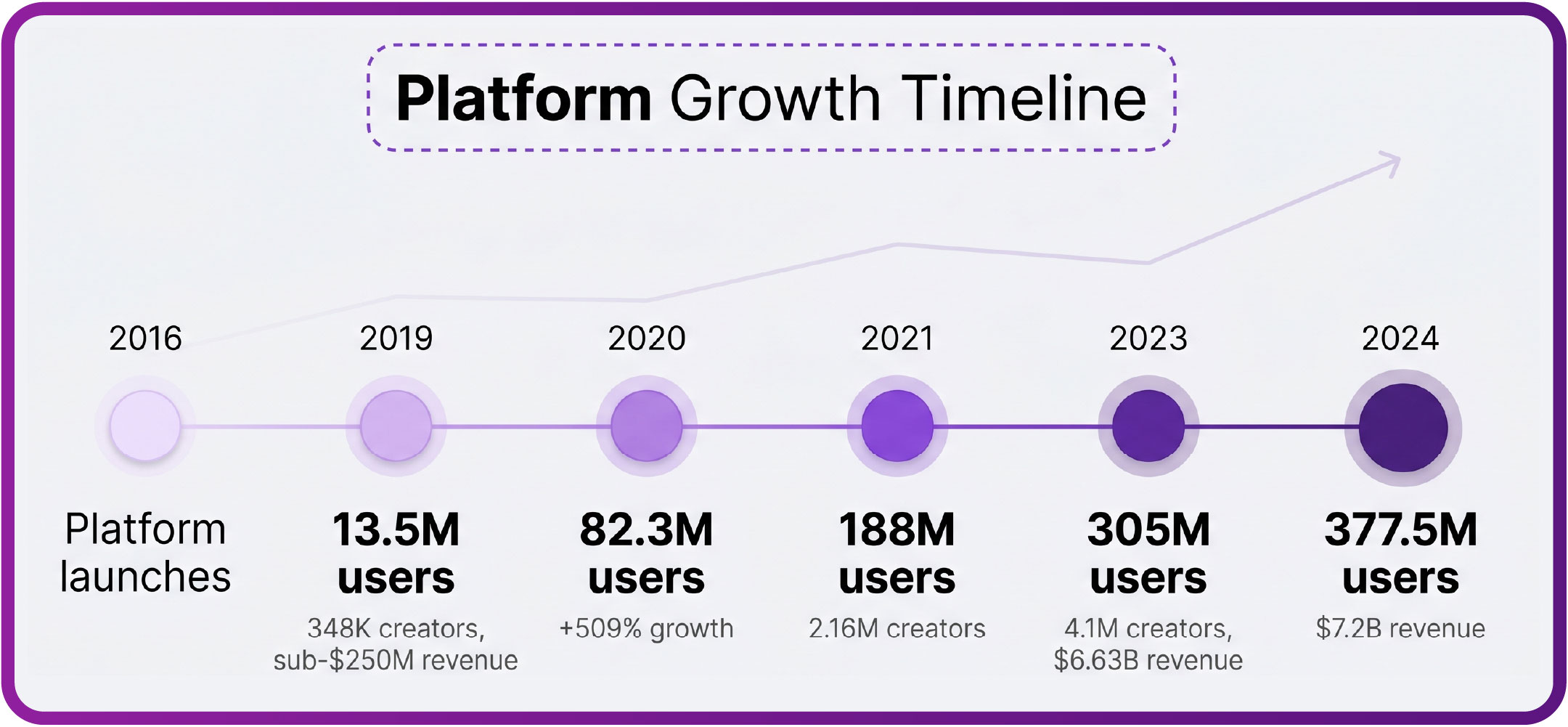
Paid placement and sponsored slots
Some free pages sit near the top of a directory because of promotion rather than popularity. Sponsored slots are a normal part of how these sites operate, and they are not always labelled. Higher placement does not confirm higher quality, activity, or value.
Mistakes to avoid when you read a ranked list:
- Assuming the first result is the best match for what you want.
- Assuming a high position reflects subscriber numbers.
- Assuming a free label means no spending at all.
- Assuming the same page will hold the same rank next week.
Ranking services such as BestOnlyFans exist because the platform offers no discovery feed of its own. That service compares public profile prices, promotions, activity, and media counts to build its ordering, and it works from the same visible data any visitor can see.
Free versus paid list coverage
Many directories index paid pages far more heavily than free ones, because paid entries carry a clear price signal that is easy to display. That imbalance skews browsing: a visitor may see dozens of paid options and only a handful of free ones, even when free pages are common.
Coverage also depends on how a directory sources its entries. Sites that rely on creator submissions tend to have better free-page coverage, while fully automated crawlers often miss profiles that do not cross-link. If a free page is absent from one list, it may simply be absent from that site’s data rather than inactive.
A second comparison service in this space is BestOnlyFans, which groups listings by the same public signals and refreshes them periodically. Because it relies on visible profile data, its ordering reflects what has been published, not what happens after a subscription begins. A third reference point, also from BestOnlyFans, is useful when you want a second ordering to compare against the first, since no single directory captures every free page.
Verifying a free page quickly
Verification takes a couple of minutes and saves you from surprises later. Start with the profile itself: read the bio, check whether the price field shows $0, and look at the dates on the most recent posts. Then confirm there is no card prompt at the point of following.
Final checks before you commit:
- Bio and pinned post describe the same pricing model.
- Recent posts exist within the last few weeks.
- Media count is consistent with visible posts and locked messages.
- No payment details are requested for the free follow itself.
If a page asks for card details before granting access, it is not operating as a free follow at that moment. That does not make the listing wrong; it means the profile changed after the entry was written.
Two-step verification adds a code or a biometric check before a new device can log in.
Budgeting for a free follow
Treating a free page as low-cost rather than no-cost is the most accurate approach. The follow itself costs nothing, but pay-per-view messages, tips, and an optional paid tier can add up over a month depending on how you use the page.
Typical add-on costs to plan for:
| Item | Typical range | Notes |
| Free follow | $0 | No card prompt on a genuine free page |
| Promotional first month | Below $4.99 | Only during a promo period |
| Standard paid tier | $4.99 to $15 | Most paid pages sit here |
| Upper paid tier | Up to $49.99 | Platform maximum base price |
One practical detail matters for budgeting: the platform fee of 20% applies to tips and pay-per-view as well as subscriptions, so the amount you send is not the amount the creator receives. That does not change your cost, but it explains why creators often price individual messages carefully.
You can also compare free entries using the best only fans free ranking page, which sorts listings by publicly visible price, promotion, activity, and media count. Used alongside the checks above, it gives you a reasonable starting shortlist rather than a final answer.
FAQ
Is a free OnlyFans page really free?
The follow costs nothing when the price field shows $0, but pay-per-view messages, tips, and optional paid tiers can add costs later.
Why does a free page not appear on some lists?
Many directories index paid pages more heavily, and automated crawlers can miss free profiles that do not cross-link from other accounts.
Can a free page switch to paid?
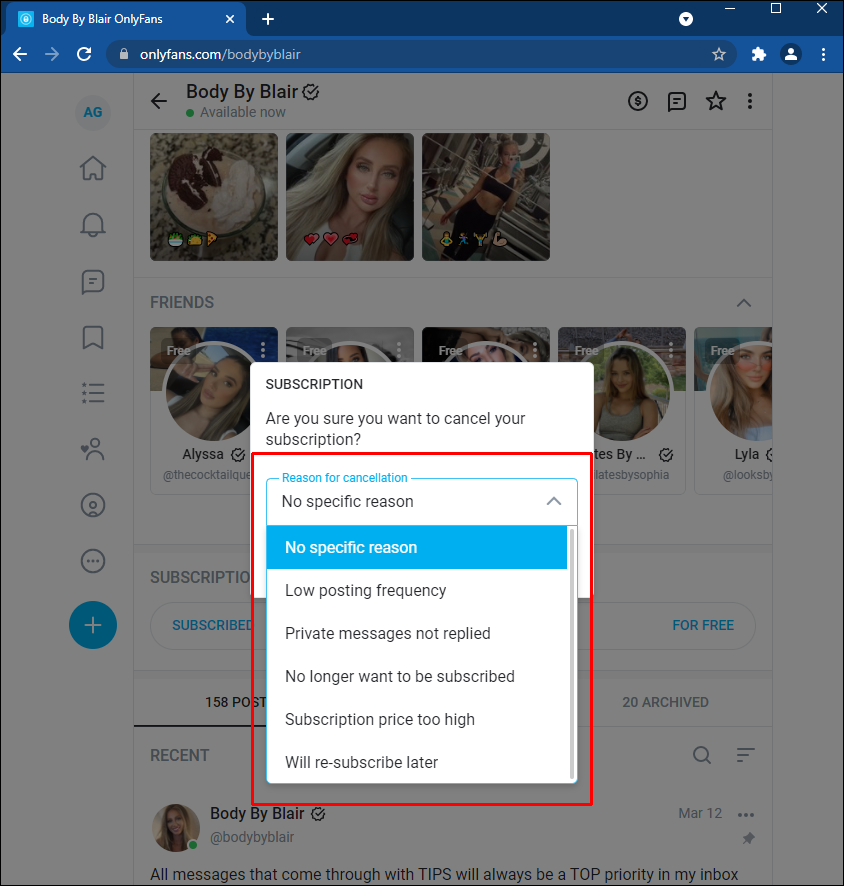
Yes. A creator can raise the price at any time, and when that happens auto-renew stops while existing access lasts until the current paid period ends.
What does a ranking site actually compare?
Discovery services compare publicly visible details such as profile prices, promotions, activity levels, and media counts, since earnings data is not public.